
11 hr
Cayo Arena Paradise Island & Mangrove Adventure
- Expert local guide
- Small group
- Skip-the-line access
- Free cancellation
Cayo Arena Dominican Republic Snorkeling — Speedboat & Mangrove Tours
White-sand refuge in open Atlantic waters, where coral gardens meet the mangrove channel
Compare fares, pick the fit — all bookings are mobile-voucher and eligible for free cancellation where shown.
11 hr
7 hr
7 hr
Selecting the right cayo arena dominican republic snorkeling experience ensures you make the most of this remote sandbar. Choose between flexible transport options or comprehensive, all-inclusive packages to explore the island's pristine coral reef.
| Shared Group Tour Standard Boat Transfer |
Top pick Private Excursion Exclusive VIP Access |
|
|---|---|---|
| Access method | Speedboat | Private Speedboat |
| Marine activity | Guided Snorkeling | Guided Snorkeling & Diving |
| Included extras | Buffet lunch & drinks | VIP lunch & open bar |
| National Park access | Included | Included |
| Best for | Budget-conscious travelers | First-timers seeking comfort |
| See tickets & prices |
Verdict: For the best experience on your cayo arena dominican republic snorkeling tour, the Private Excursion is highly recommended to avoid peak crowds and enjoy personalized service.
Worth it for snorkelers seeking pristine Caribbean shallows
Cayo Arena dominican republic snorkeling delivers what few mainland beaches can: waist-deep turquoise water over white sand flats teeming with tropical fish, starfish, and coral formations you can reach without diving certification. Tours departing from Punta Rucia bundle boat transport, snorkel gear, and often a mangrove kayak segment or beach time, turning the sandbar into a half-day offshore escape. The marine life concentration rivals protected reserves, and visibility routinely exceeds 30 feet when seas are calm. Value hinges on your tolerance for shared spaces—mid-morning arrivals face 40+ snorkelers on a 100-meter island—but early speedboat departures keep crowds thin and water clarity high. If you prioritize accessible reef encounters over solitude, the combination of shallow-water safety and biodiversity density justifies the trip cost for families and novice snorkelers especially.
Bottom line: Book an early departure and you'll snorkel one of the north coast's most biodiverse shallows without advanced gear or skills.
Cayo Arena offers a focused, intimate marine encounter, whereas Saona Island provides a broader beach day; most visitors choose the former for water clarity and the latter for coastal leisure. Cayo arena dominican republic snorkeling tours provide a concentrated reef experience compared to the sprawling island vibes found elsewhere.
|
Top pick Cayo Arena |
Saona Island | |
|---|---|---|
| Environment type | Natural sandbar reef | Large protected island |
| Snorkeling quality | High coral visibility | Moderate reef access |
| Crowd levels | Limited small groups | High volume excursions |
| Vibe | Quiet and serene | Social and festive |
| Primary activity | Marine life observation | Coastal leisure and swimming |
| See tickets & prices |
Verdict: Those seeking a focused cayo arena dominican republic snorkeling tour will prefer the sandbar, while those prioritizing social settings and beach amenities should book cayo arena dominican republic snorkeling tickets for a trip that includes Saona Island.
Hand-picked experiences loved by thousands of travelers
5 hours
Free Cancellation
Discover pristine Caribbean waters, vibrant coral reefs, and mangrove channels on this island escape
6.5 hours
Free Cancellation
Race across Atlantic waves to a pristine sandbar, snorkel coral reefs, and explore mangrove channels
8 hours
Free Cancellation
Full-day Caribbean escape combining speedboat thrills, turquoise swimming pools, and beach time on pristine Saona Island.
4 hours
Free Cancellation
Conquer the complete cascade system—jumping, sliding and swimming through all seven limestone falls.
3 hours 30 minutes
Free Cancellation
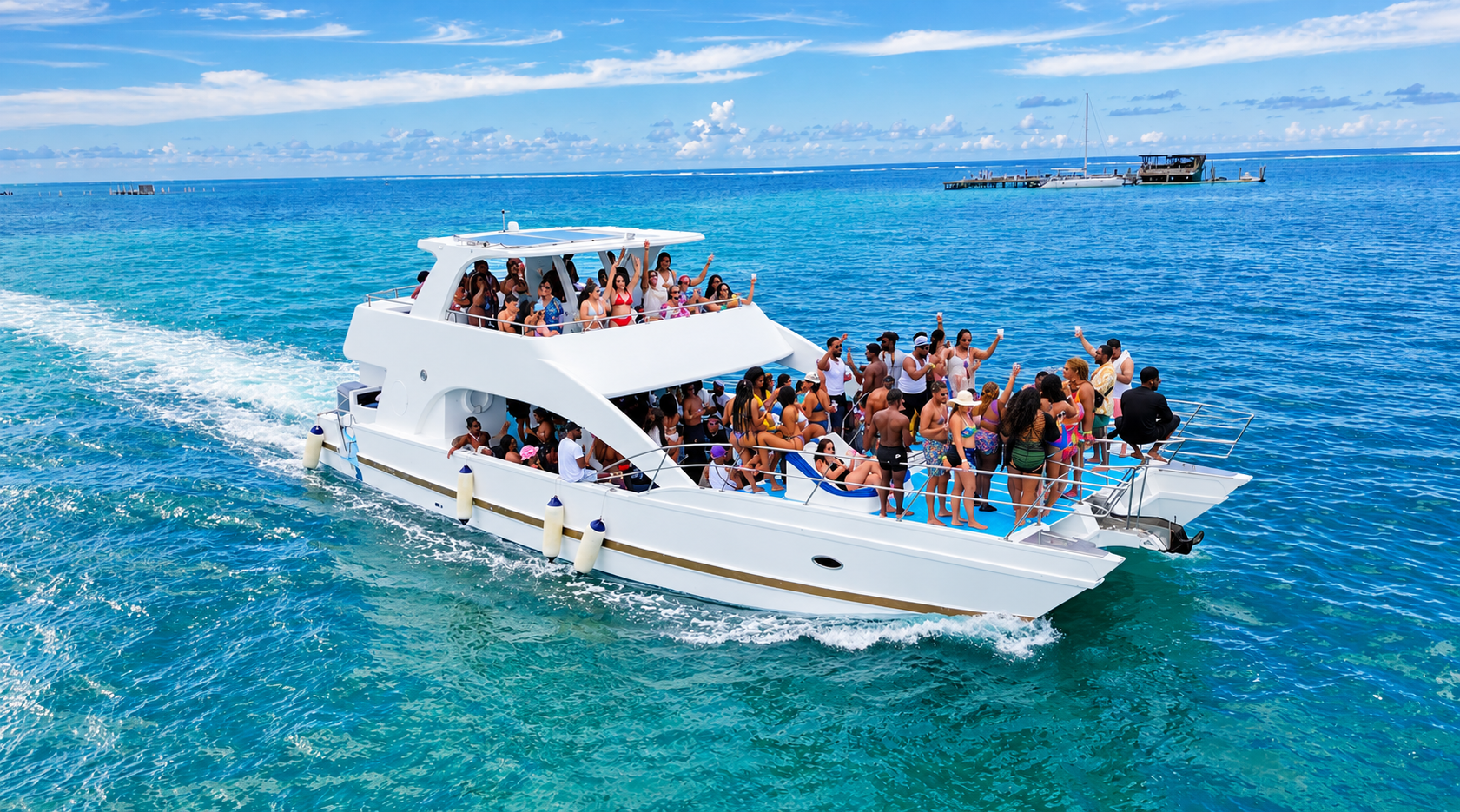
Dance to live DJ beats, snorkel vibrant reefs, and swim in a natural pool on this adults-only boat party
Full day (approximately 14 hours including transfers)
Free Cancellation
Three unforgettable stops: explore caves and mangroves, swim beneath a jungle waterfall, and swing above the clouds.
3 hours
Free Cancellation
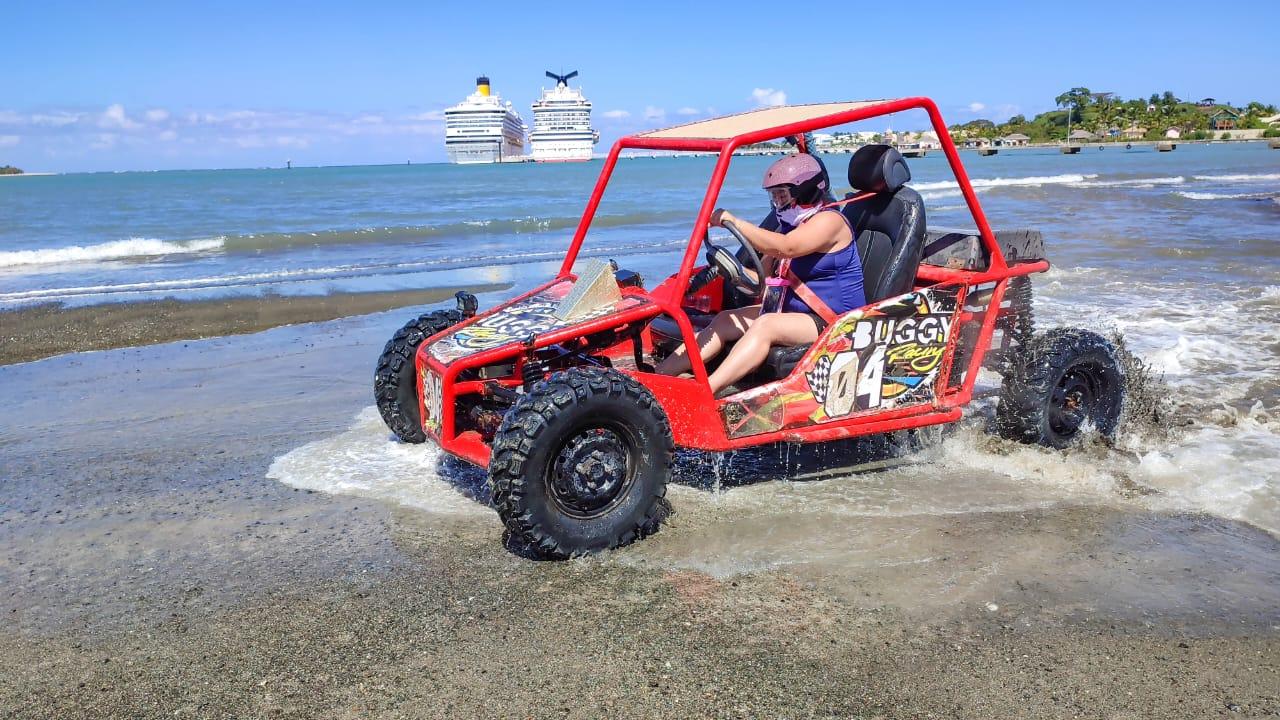
Race through Dominican countryside in a super buggy, sample traditional drinks, and cool off with a beach swim
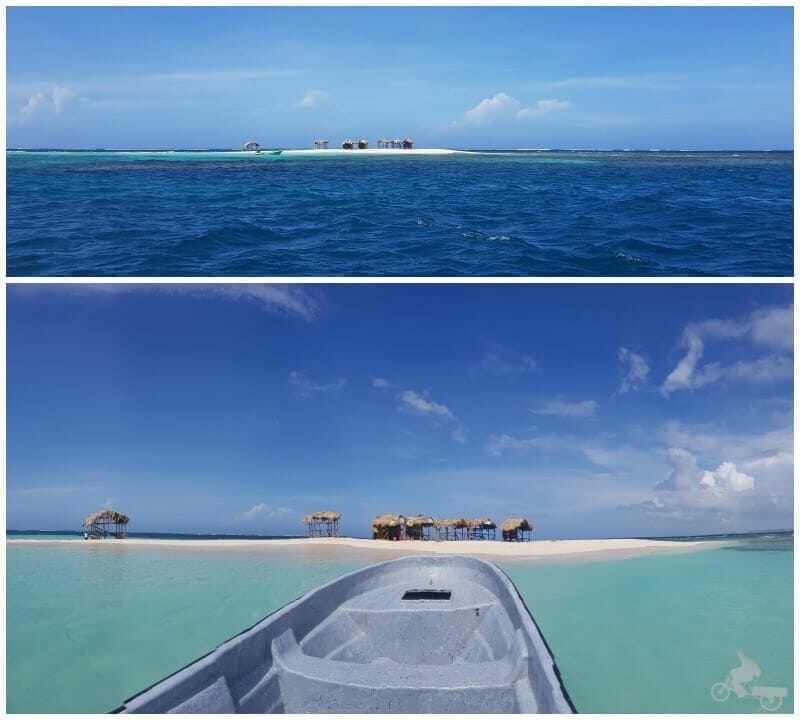
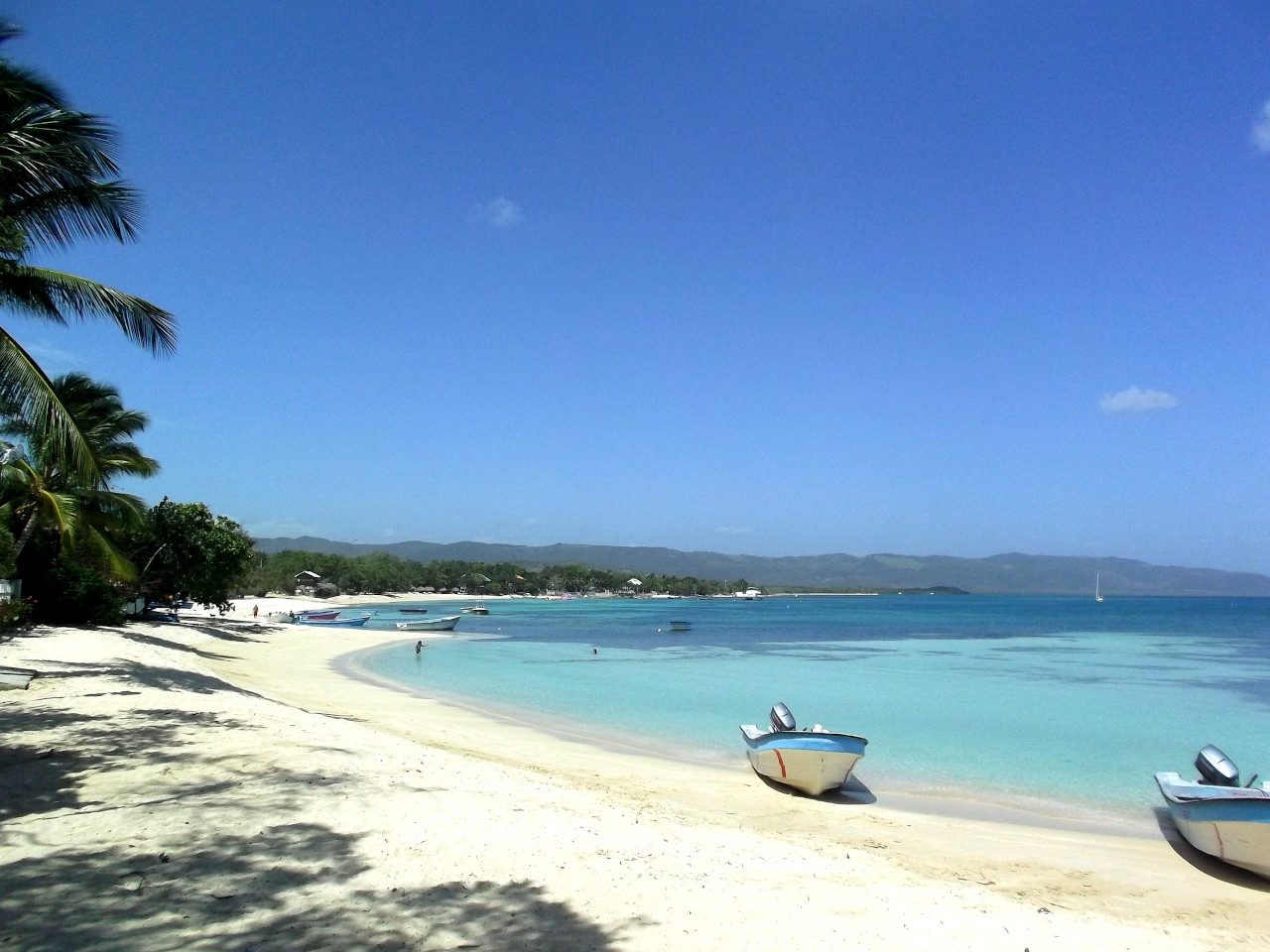
Depart from Punta Rucia beach
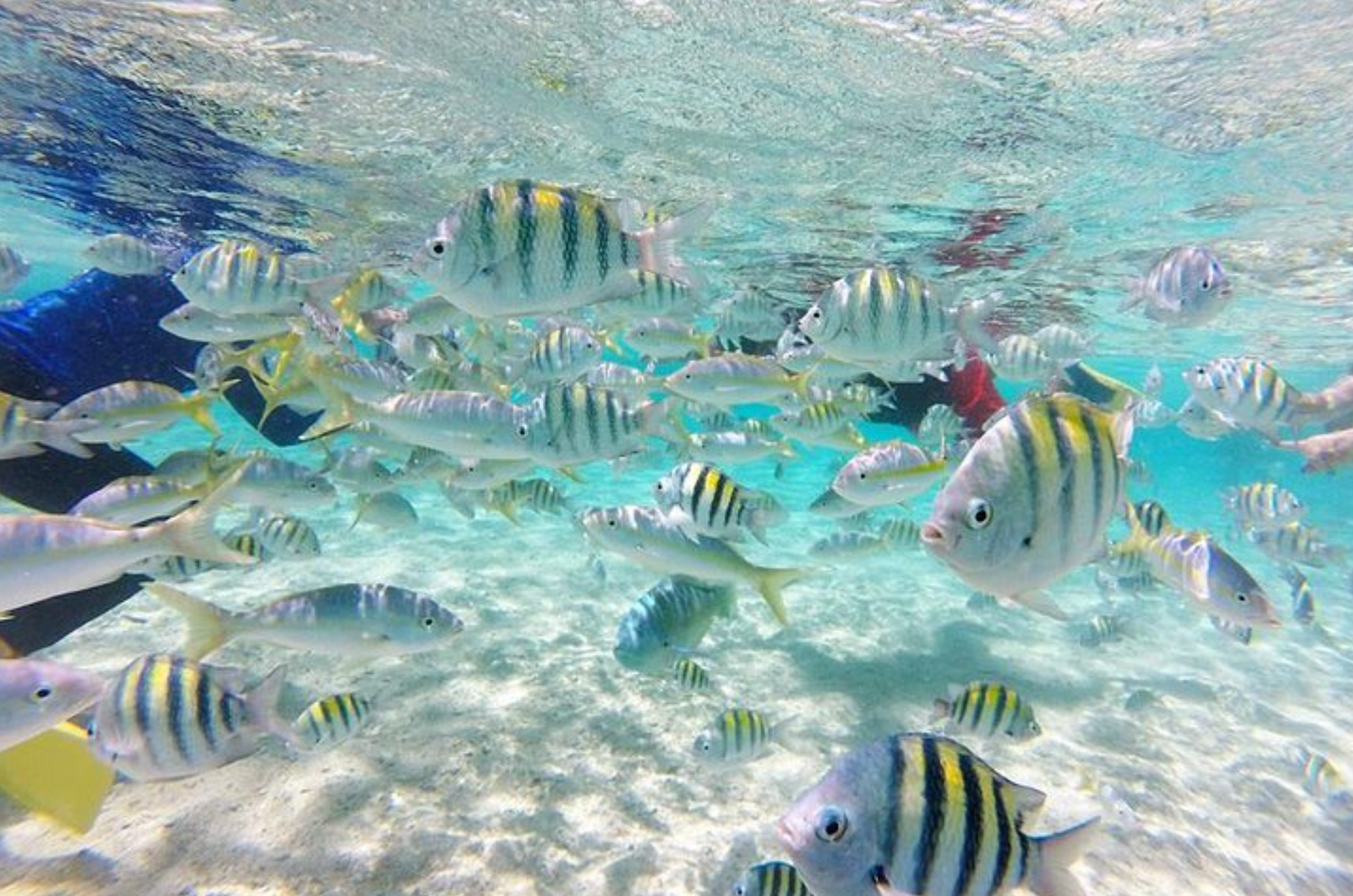
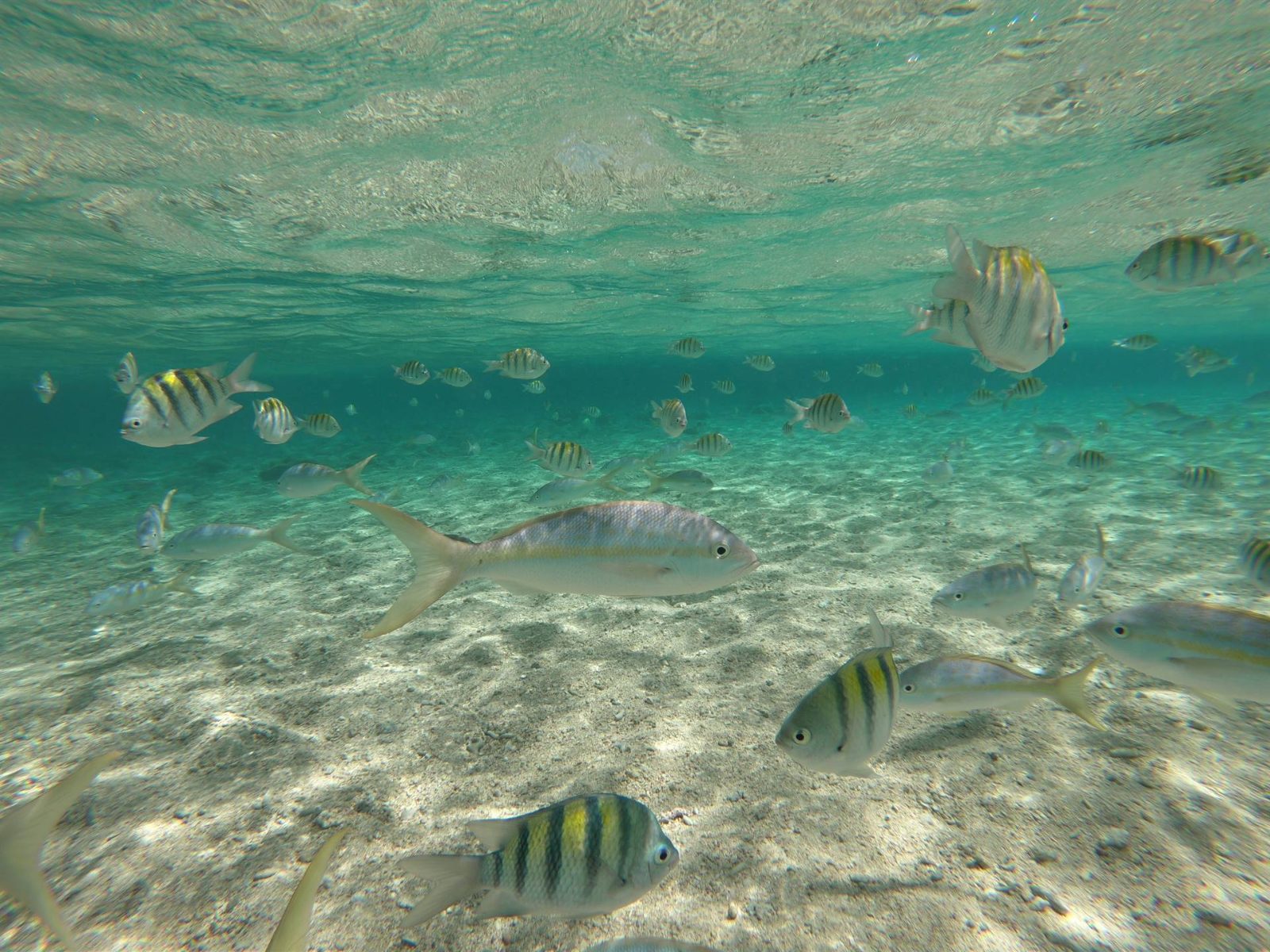
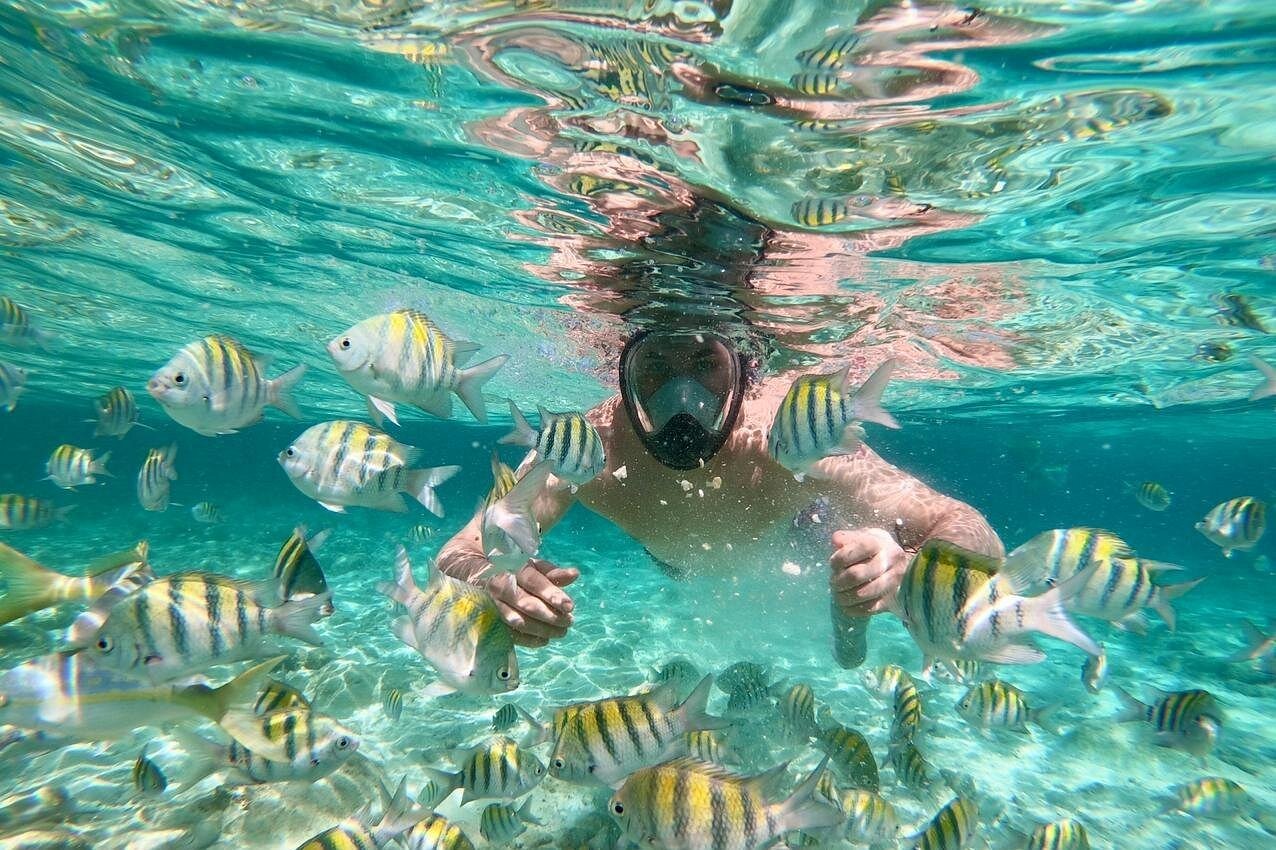
Explore the shallow reef surrounding the island
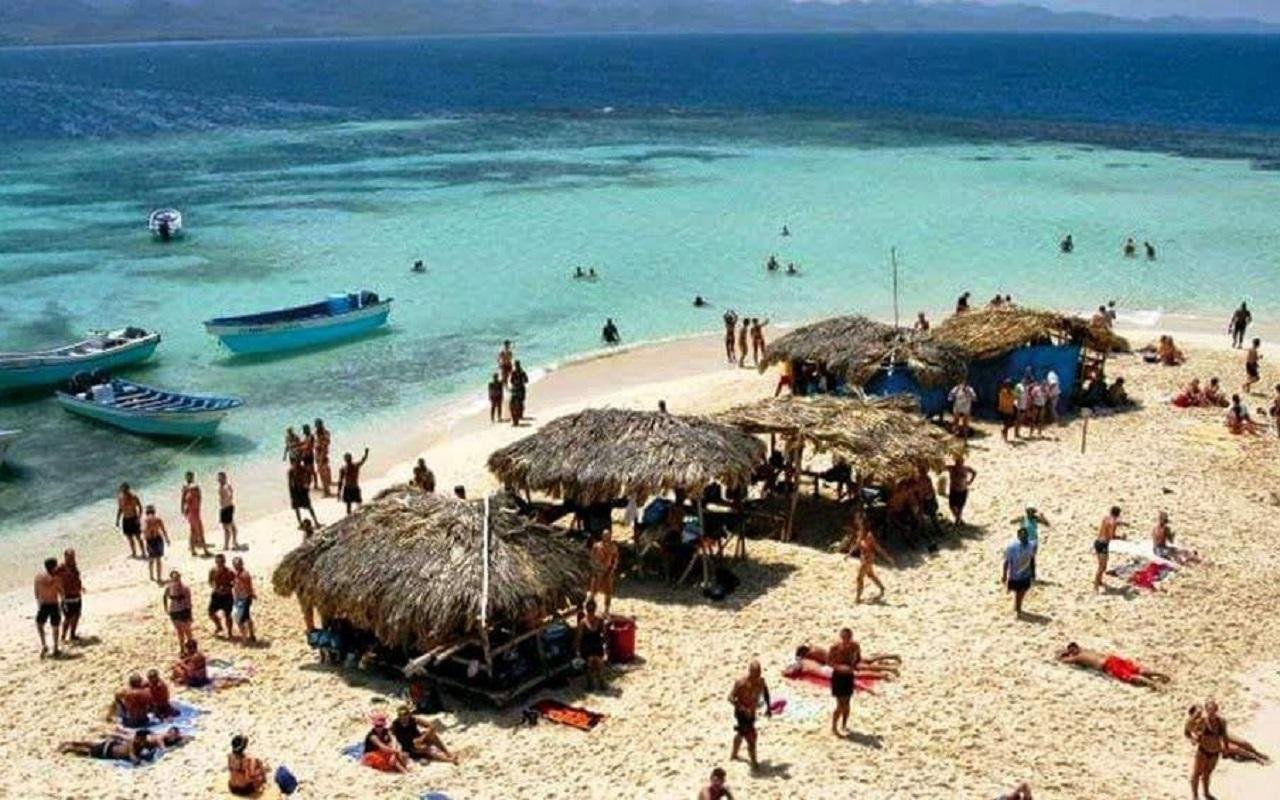
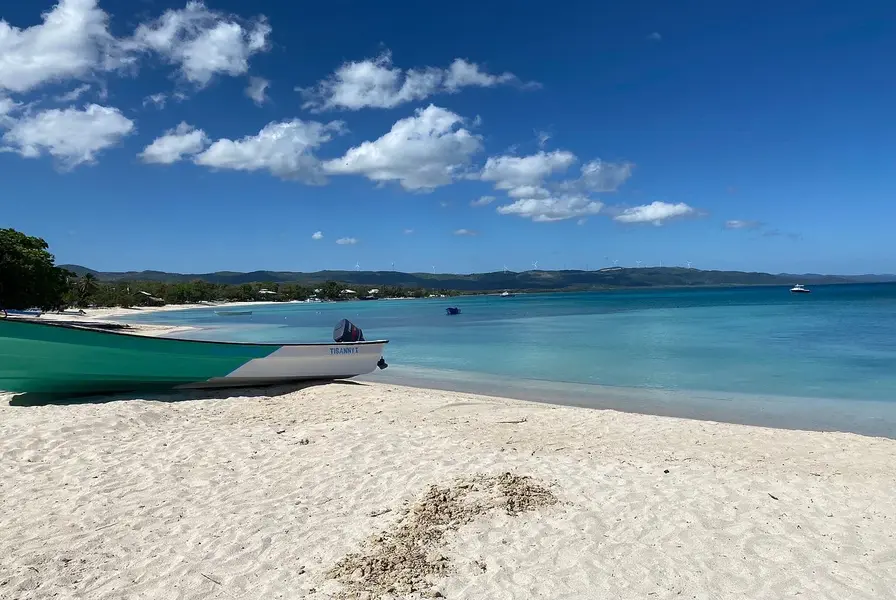
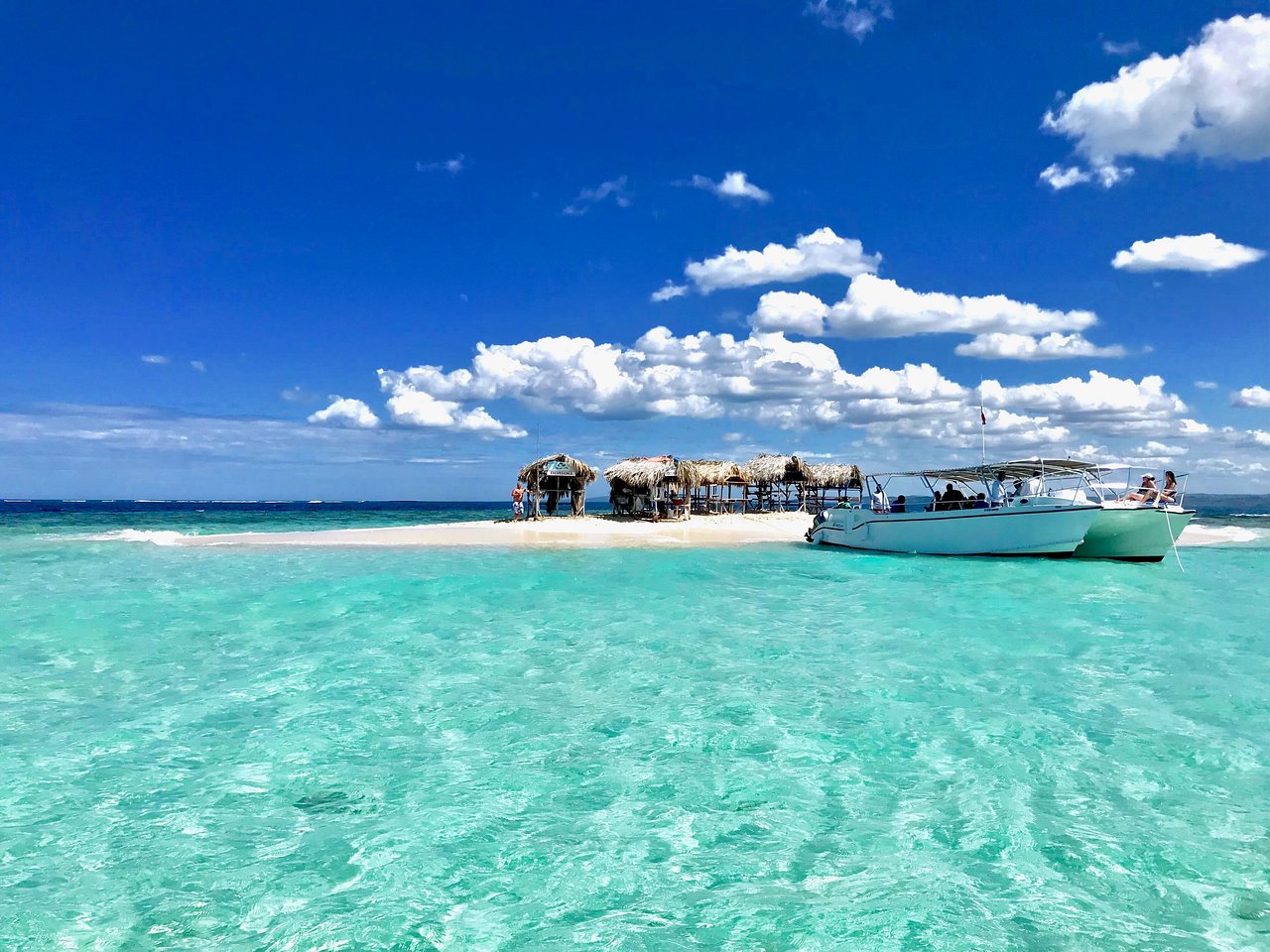
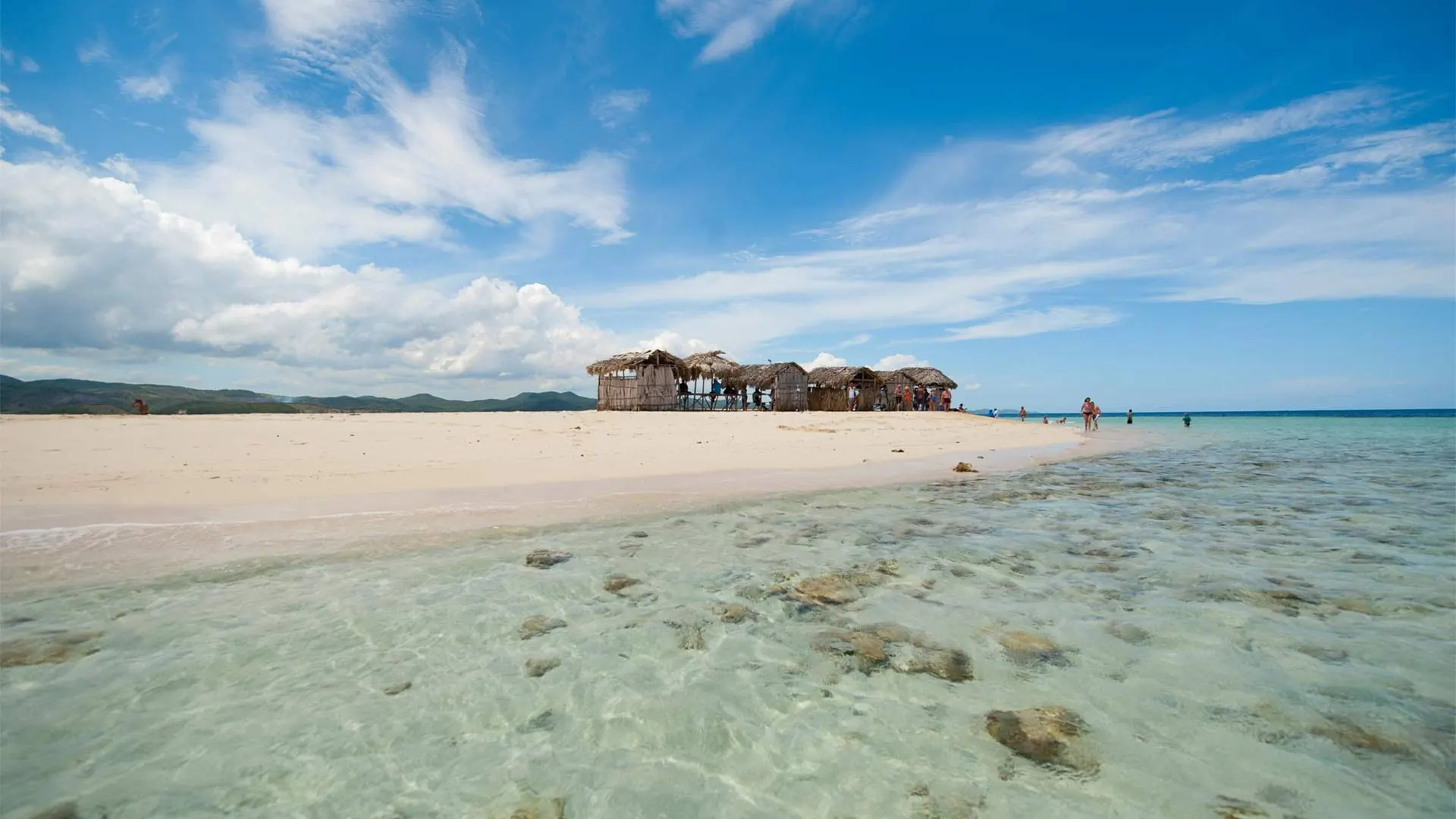
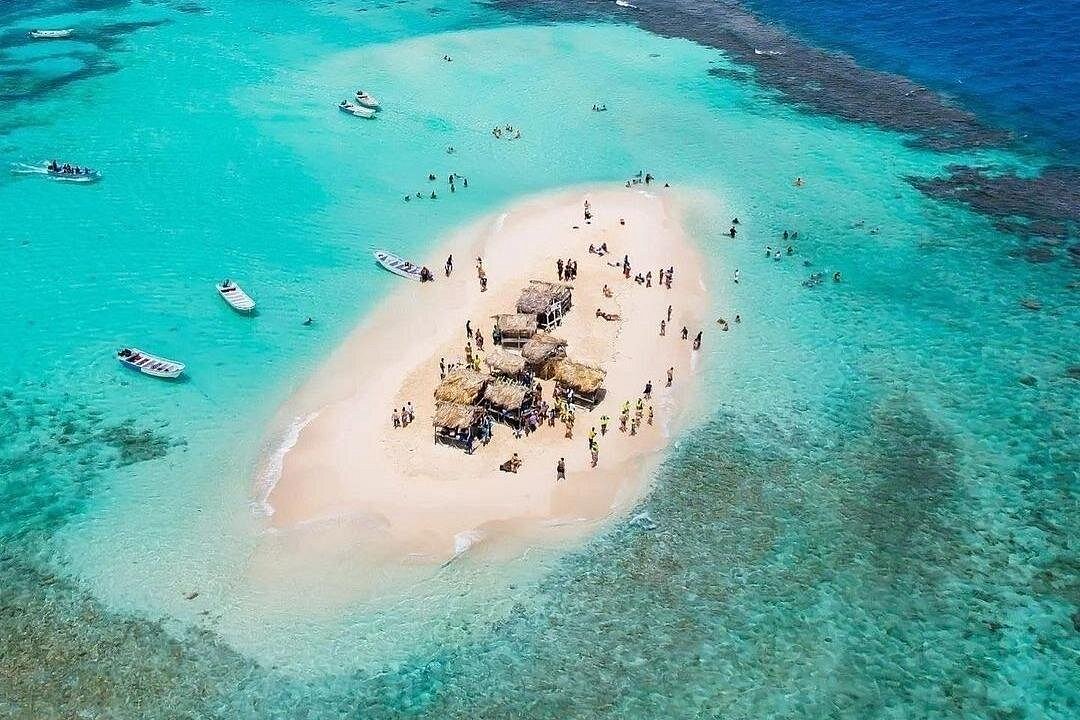
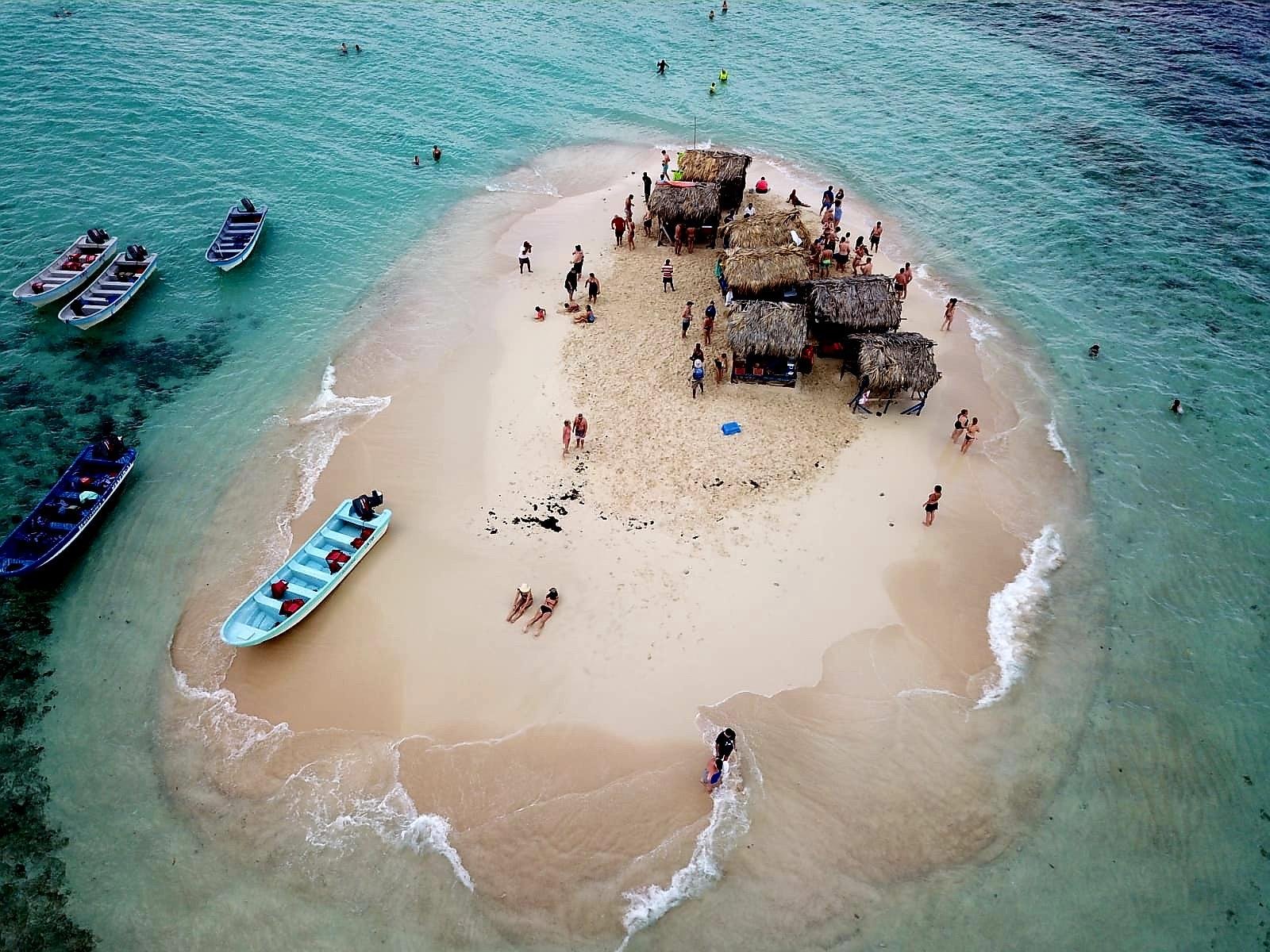
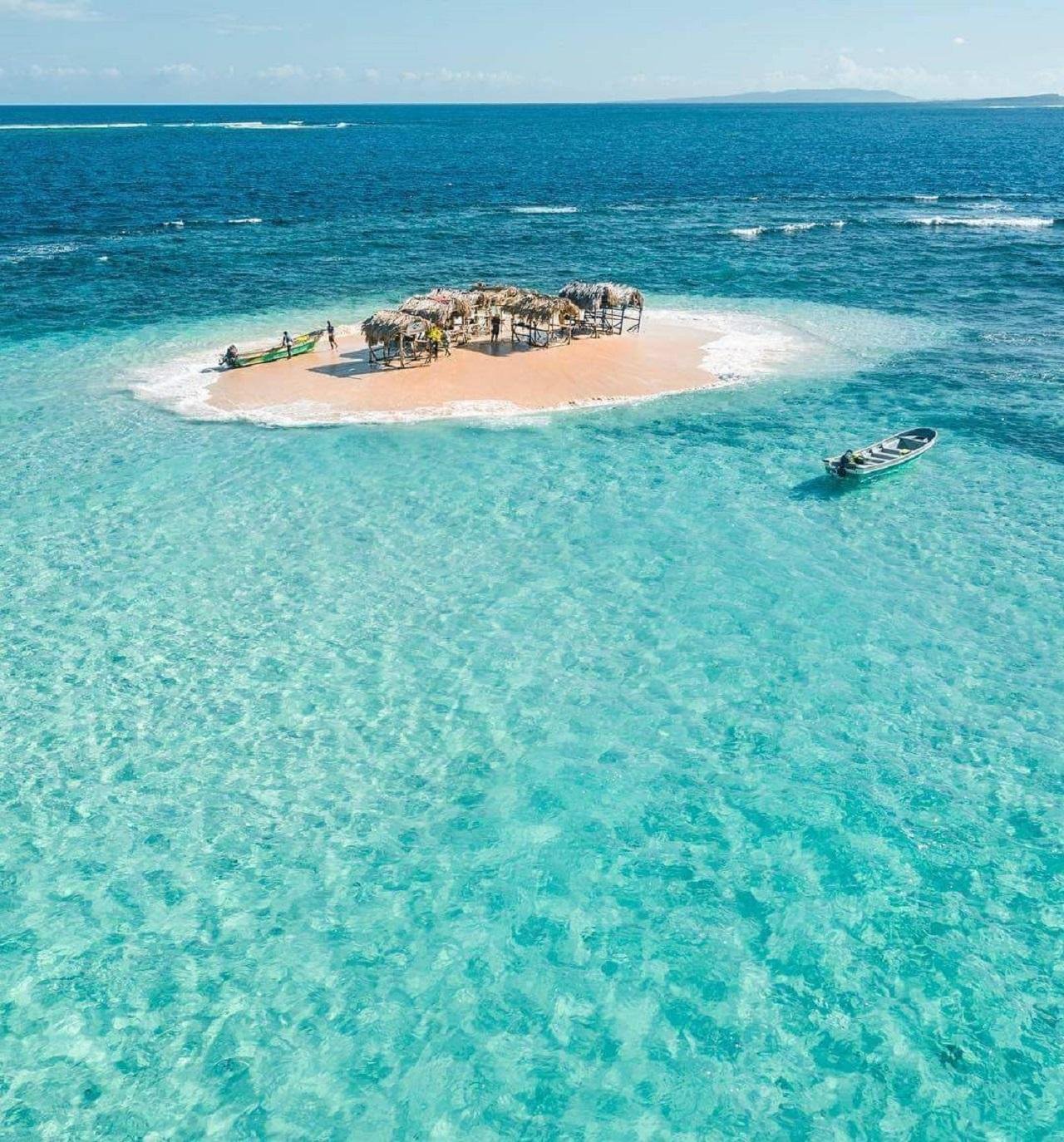
Enjoy the white sandbank and crystal clear water
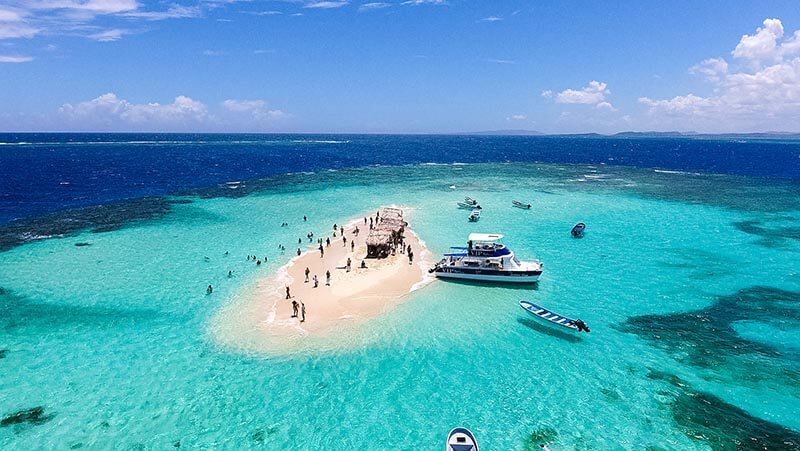
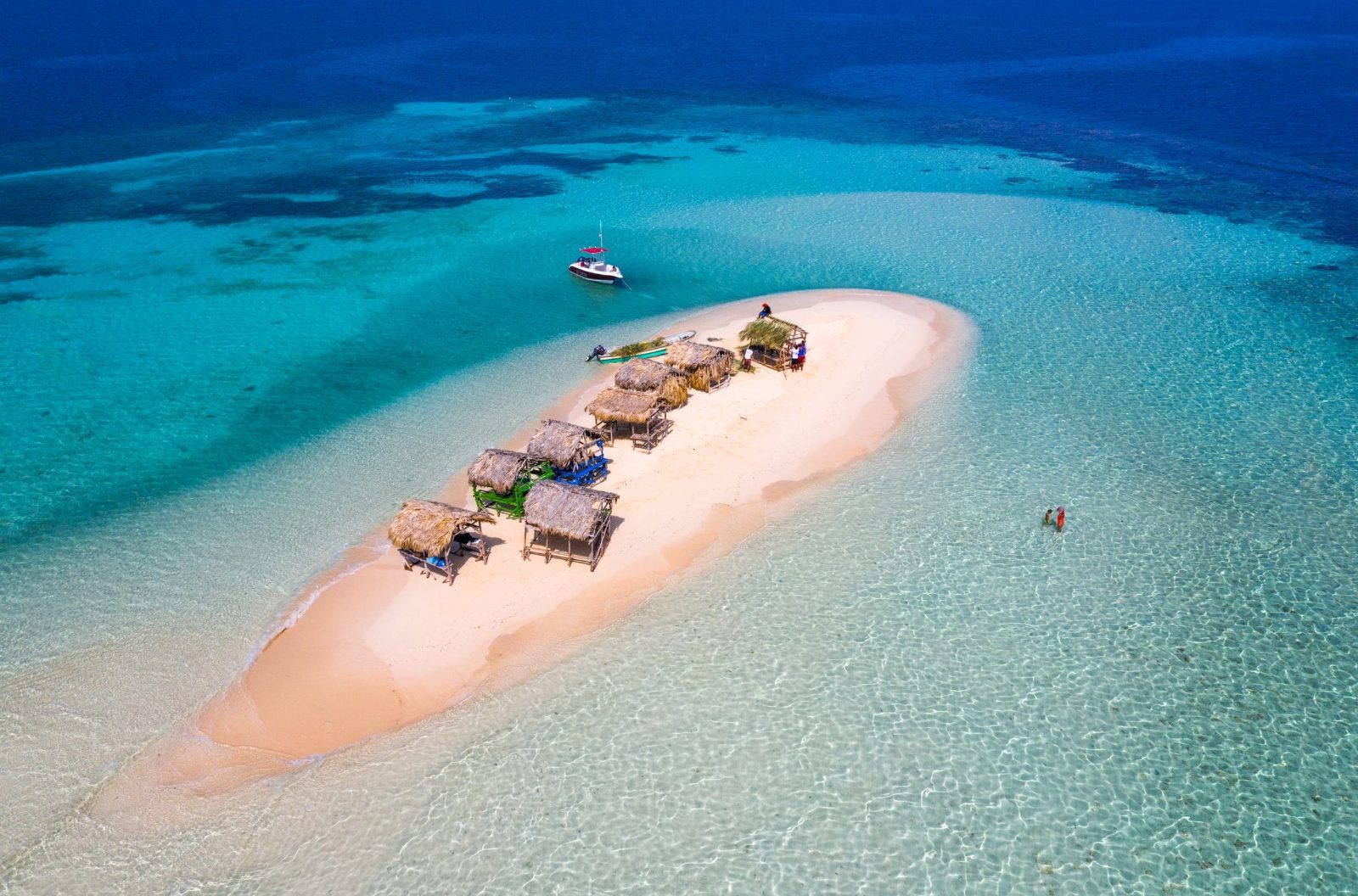
Aerial view of sandbar in ocean
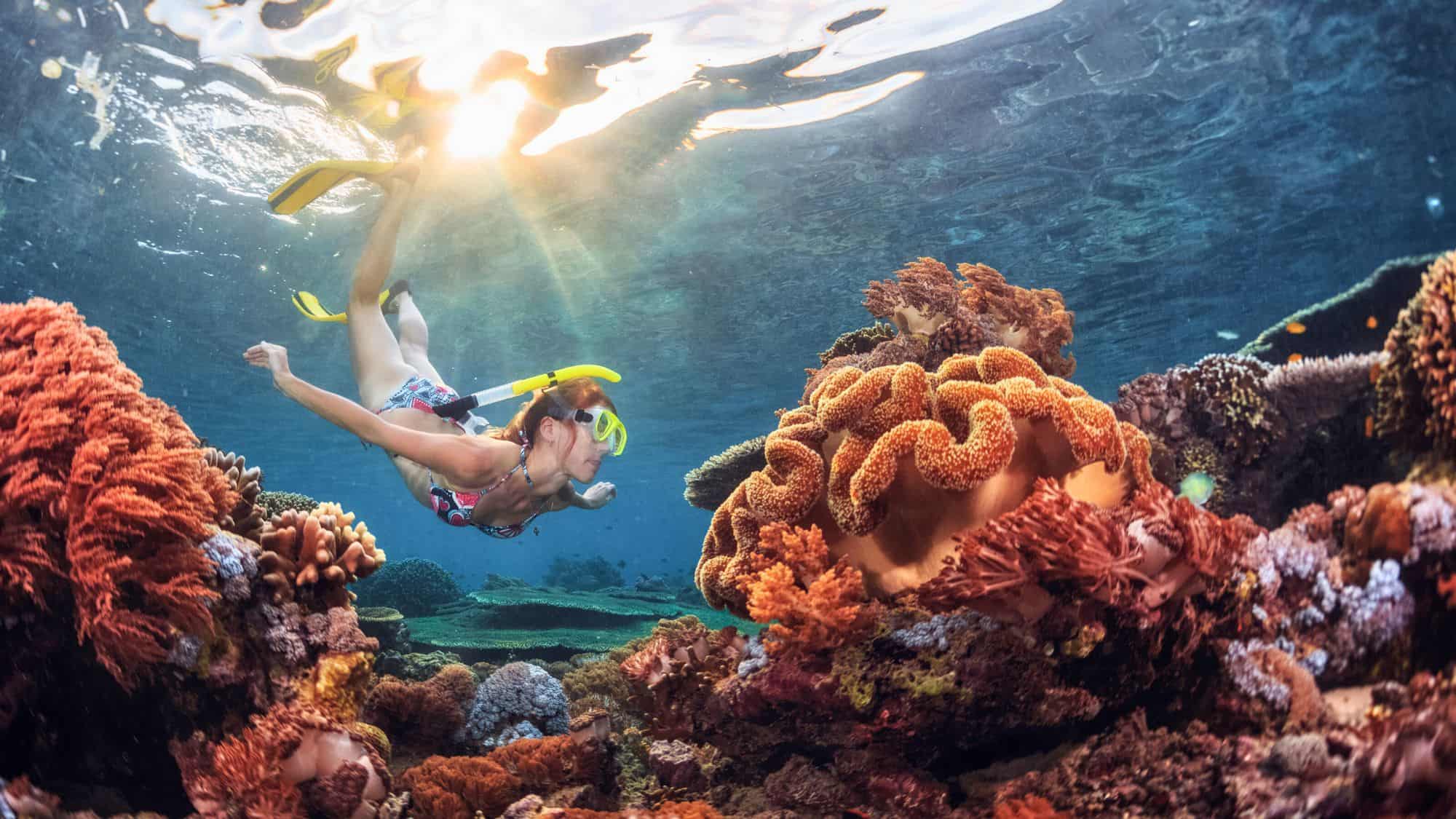
Vibrant tropical coral reef underwater
Shallow crystal clear water
Deep blue ocean drop off
You board the speedboat at Punta Rucia's concrete pier as morning sun reflects off calm Atlantic swells. The hull skips across turquoise shallows, and within fifteen minutes the white thread of Cayo Arena resolves against the horizon. Your captain cuts the engine thirty meters offshore, where the reef flat begins.
You slip into water so clear you count individual coral polyps three meters below.
You kick toward the outer reef, where elkhorn formations branch toward the surface and parrotfish graze on algae crusts. A spotted eagle ray glides beneath you, wingtips undulating in slow rhythm. You drift with the current along the island's southern flank, pausing where brain coral colonies form natural amphitheaters and sergeant majors hover in striped clouds. After forty minutes you wade onto the sandbar, feet sinking into powder-fine sediment as wavelets lap at your ankles.
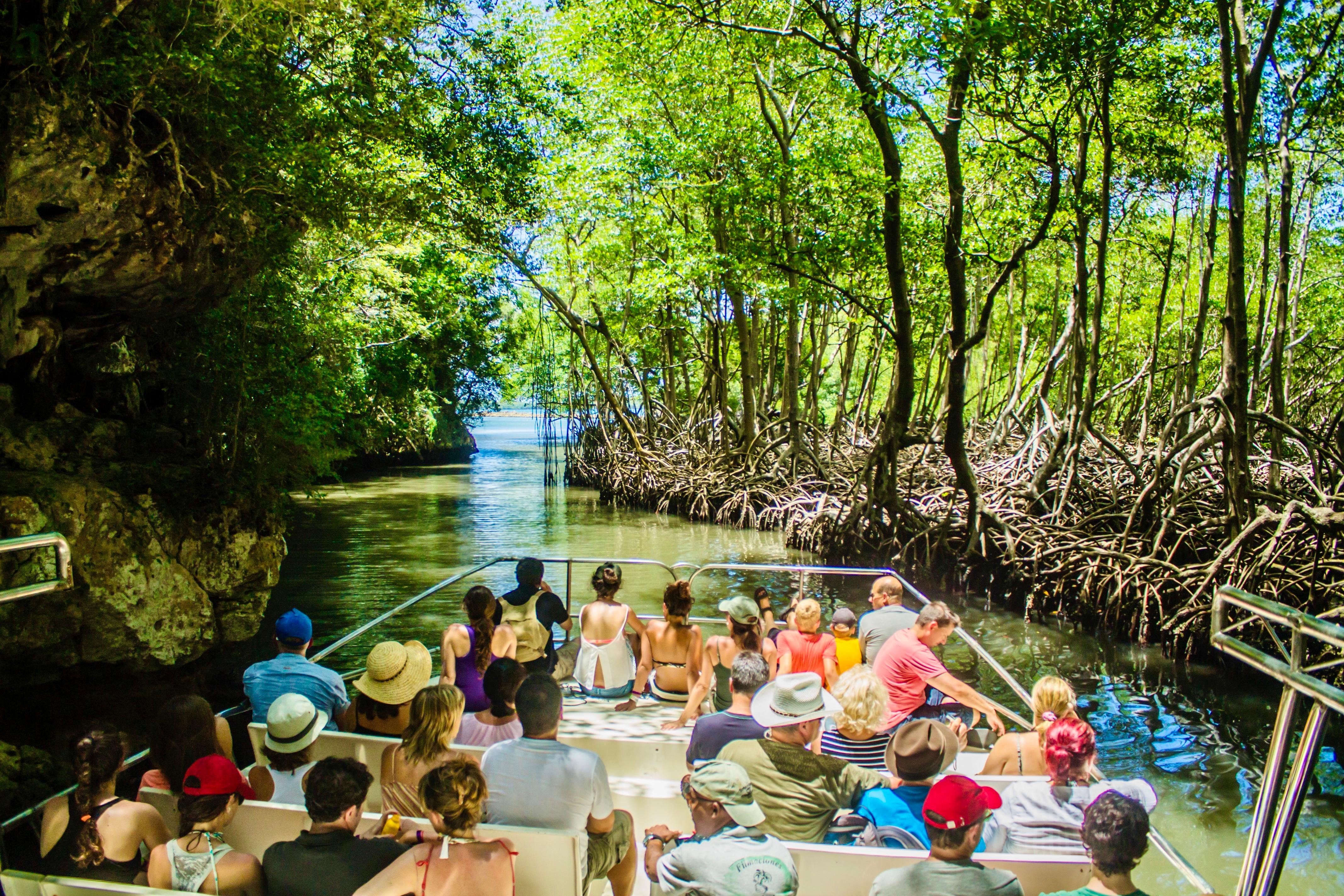
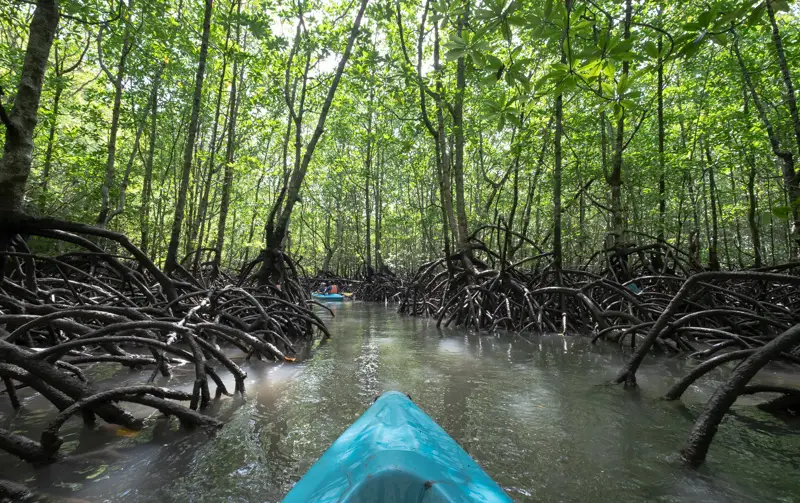
The return route threads through Punta Rucia's mangrove channels. You float between curtains of prop roots, face submerged, watching snook fingerlings dart through the tannin-stained water. The tunnels compress sound into a liquid hum, sunlight fracturing into gold coins on the sandy bottom. Your guide points out a juvenile tarpon suspended in the current, silver scales flashing as it pivots beneath an overhanging root mass. You surface as the channel widens into the lagoon, salt drying on your skin in the midday heat.
All the details about your upcoming adventure in one place
Cayo Arena sits eight kilometers offshore from Punta Rucia, a white-sand cay barely 350 meters across that emerges from the Monte Cristi Bank at the northwestern edge of the Dominican Republic's Atlantic shelf.
The island formed over millennia as coral polyps colonized the shallow carbonate platform, building reef structures that now shelter more than seventy species of fish and fifteen species of hard coral. Local fishermen called it Cayo Paraíso for decades before tourism operators formalized the Paradise Island moniker in the early 2000s, when speedboat charters from Puerto Plata began linking the site to regional resort corridors.
The cay's isolation preserves conditions rarely found along developed coastlines. Water clarity averages twenty-five meters year-round, a function of the offshore position and minimal sediment runoff. The reef flat extends in concentric rings from the island's perimeter, with elkhorn coral thickets giving way to brain coral colonies and sea fan forests as depth increases. Schools of blue tang and sergeant major circle the shallows, while spotted eagle rays and southern stingrays patrol the sand channels between coral heads. The site lies within the Estero Hondo Marine Mammal Sanctuary boundary, though manatee sightings remain infrequent except during winter months when individuals migrate from the nearby mangrove estuaries.
Cayo Arena Dominican Republic snorkeling excursions typically incorporate the adjacent mangrove tunnels at Punta Rucia, a network of tidal channels bordered by red mangrove prop roots where juvenile tarpon and snook shelter among the submerged root lattice. The mangroves function as a nursery for reef species, filtering nutrients and stabilizing sediment before it reaches open water. Operators depart Punta Rucia's launch ramps between 08:00 and 10:00, when morning light penetrates the water column at optimal angles for visibility. The crossing requires fifteen to twenty minutes aboard twin-engine fiberglass pangas, with return transits scheduled to avoid afternoon squalls common during the May-through-October wet season. Free entry to the cay itself reflects the site's designation as public maritime space, though conservation fees are bundled into transport costs to fund reef monitoring programs managed by the Dominican Ministry of Environment.
Water clarity averages twenty-five meters year-round, a function of offshore position and minimal sediment runoff.
Wear swimwear, a rash guard for sun protection, and water shoes to navigate the shallow coral beds.
Use waterproof dry bags for electronics and personal belongings. No locker facilities are available at this remote location.
Underwater cameras and GoPro mounts are recommended for capturing marine life. Avoid touching the reef while positioning for photos.
Children should be supervised at all times due to strong currents around the perimeter of the reef. Bring appropriate flotation devices as the water depth varies significantly.
The island is a natural sandbar with no ramps or paved surfaces. Boat boarding in Punta Rucia may require wading through knee-deep water.
No food or drink facilities are located on the sandbar. Pack reusable water bottles and snacks, ensuring all waste is removed when departing.
Opening Hours
08:00–17:00
Address
Cayo Arena, Punta Rucia, Dominican Republic
Accessibility
Boat-access only; limited mobility support
Best Arrival
08:00–10:00
Storage
No secure storage on the sandbar
Navigation
Accessible via local boat operators
Car · 2 hours from Puerto Plata · None
Drive to Punta Rucia via Route 5; parking is available at local tour docks.
Taxi · 2 hours · Variable rates
Hire a private driver for a direct transfer to Punta Rucia harbor.
Cancellations made 24 hours in advance receive a full refund. The entrance fee is 0 USD and is typically bundled into private or group boat transport costs.
Recommended time
3-4 hours
Most visitors spend a few hours on the sandbar to experience cayo arena dominican republic snorkeling before the mid-day boat influx occurs. Arriving early is essential to enjoy the shallow coral reefs and clear water without the density of large groups found during cayo arena dominican republic snorkeling tours. If you prioritize tranquility, plan your cayo arena dominican republic snorkeling tickets for the earliest departure, as the island space is limited and naturally fills up by noon.
Crowd levels through the day
Weather · crowds · average price — dots go green to amber to red as each metric rises.
March to May offers calm seas and clear visibility for cayo arena dominican republic snorkeling.
June to August features warm water temperatures, though midday sun is intense.
September to November can have variable weather, so check local forecasts before your cayo arena dominican republic snorkeling trip.
December to February is popular, making it essential to arrive early for cayo arena dominican republic snorkeling.
Use reef-safe sunscreen to avoid damaging the ecosystem while participating in cayo arena dominican republic snorkeling.
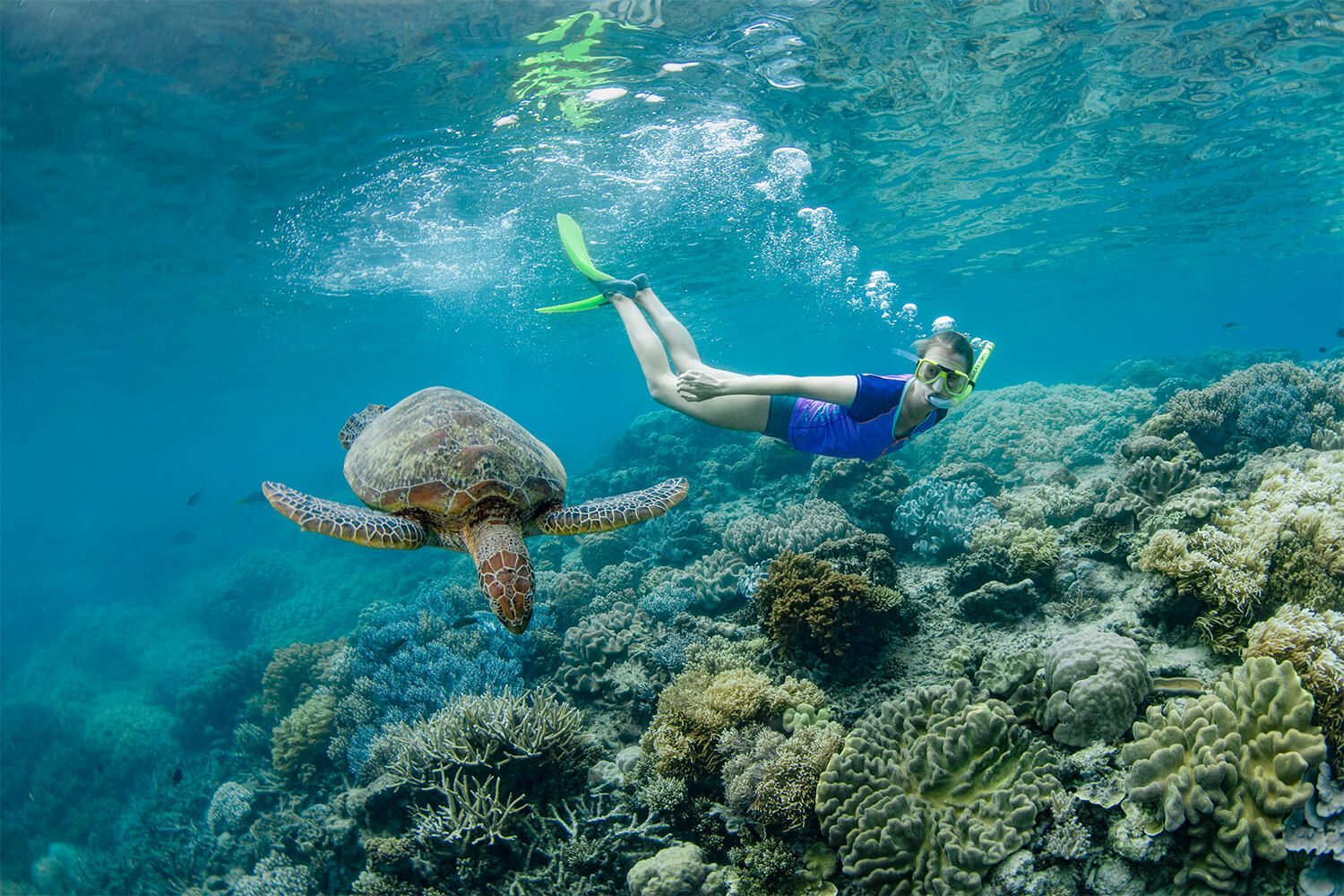
Observe sea turtles and schools of fish from a distance to prevent habitat disruption.
Verify the condition of your snorkel and mask with your operator before leaving the Punta Rucia shoreline.
To maximize your time, plan your cayo arena dominican republic snorkeling session for the early morning hours.
Pack out all trash to maintain the pristine state of this protected marine sanctuary.
Punta Rucia, Dominican Republic
Primary departure point for all operators
Get directionsCayo Arena emerged from the Pleistocene epoch as a sandbar atop a shallow reef platform, part of the Caribbean's ancient coral architecture. The island remained unnamed on Spanish colonial charts until the 18th century, when fishermen from Puerto Plata began using it as a reference point for net casting. Local oral histories place the first recorded landing in 1742 by sailors seeking refuge during a hurricane, though no formal documentation survives. The name "Arena"—Spanish for sand—appeared in maritime logs by 1803, distinguishing it from the rocky cays farther west. Commercial interest arrived in the 1960s when marine biologists from the Universidad Autónoma de Santo Domingo surveyed the reef systems. Their 1967 report cataloged 42 coral species and noted exceptional water clarity, drawing the attention of nascent dive operators in Sosúa. The first organized snorkel excursion launched in 1973, a single-boat operation charging 15 pesos per person. By 1985, four operators ran daily trips, and the reef began showing stress from anchor damage. The Ministry of Environment intervened in 1992, designating a 200-meter protection zone and requiring mooring buoys. Cayo arena dominican republic snorkeling tours expanded rapidly after the 2001 construction of a dock at Punta Rucia, reducing travel time from 90 minutes to 25 minutes. Overcrowding became acute by 2010, with some days seeing 800 visitors on an island measuring 35 meters across. The 2014 visitor cap of 450 per day stabilized the ecosystem, though enforcement remains inconsistent. Hurricane Maria in 2017 stripped 60 percent of the island's vegetation but left the reef intact. Mangrove replanting began in 2019, and by 2023 the sandbar had regained its profile. Today the island operates under joint oversight by the Ministerio de Medio Ambiente and local fishing cooperatives, balancing conservation with the economic lifeline that snorkeling excursions provide to Punta Rucia's 1,200 residents.
Sailors made the first recorded landing during a hurricane, seeking shelter on the unnamed sandbar.
The name "Arena" appeared in Spanish maritime logs, referencing the island's dominant sand composition.
Universidad Autónoma marine biologists documented 42 coral species and exceptional reef clarity in their survey report.
The first commercial snorkel excursion departed from Sosúa, charging 15 pesos per passenger.
The Ministry of Environment designated a 200-meter protection zone and mandated mooring buoys to prevent anchor damage.
A new dock at Punta Rucia reduced boat transit time from 90 minutes to 25 minutes, accelerating tourism growth.
Authorities imposed a 450-visitor daily cap to address overcrowding and reef stress.
Hurricane Maria stripped 60 percent of the island's vegetation but left the coral reef largely undamaged.
Capture the gradient of turquoise water where it meets the white sandbar, ideal for low-angle shots. Standing knee-deep provides the clearest view of the seafloor for cayo arena dominican republic snorkeling tours.
Position your camera near the outer edge of the reef where tropical fish congregate near the coral formations. This area highlights the contrast of vibrant marine life and is a staple of any cayo arena dominican republic snorkeling tour.
Frame your shot from the water looking back toward the arriving speedboats docked against the white sand backdrop. This perspective captures the scale of the island while visitors prepare for cayo arena dominican republic snorkeling tickets.
Visiting Cayo Arena with children involves a boat ride to a shallow sandbar, making cayo arena dominican republic snorkeling an accessible marine adventure for families. Parents should prepare for an open environment with limited shade, where clear water provides excellent visibility for observing coral reefs and schools of tropical fish.
Sandbars are not suitable for wheeled equipment, so bring a lightweight carrier for infants instead of a stroller. The island consists entirely of sand and water, leaving no room for traditional gear.
School-aged children who are comfortable in the water benefit most from these cayo arena dominican republic snorkeling tours. Toddlers may struggle with the boat transfer and lack of shore-based amenities, requiring constant parental supervision in the sea.
There are no bathrooms or changing rooms available on the sandbar itself. Please ensure children use the facilities at the boat launch in Punta Rucia before departing for your cayo arena dominican republic snorkeling tour.
The sandbar is a compact destination, so plan for a half-day excursion. Most families find that 90 minutes of water time is sufficient before the sun becomes too intense for younger visitors.
Pack sufficient water and snacks as there are no food vendors on the island. Guests often purchase cayo arena dominican republic snorkeling tickets that include basic refreshments, but bringing extra items is recommended for picky eaters.
Since there are no facilities on the sandbank, most visitors enjoy lunch in Punta Rucia village after completing their cayo arena dominican republic snorkeling excursion. You will find several seaside venues serving fresh Caribbean catch near the boat departure points.
This venue offers a relaxed atmosphere with sea views, perfect for a post-trip meal. Order the grilled fish or garlic shrimp, which are prepared fresh daily for guests returning from cayo arena dominican republic snorkeling tours.;Cabaña El Paraiso
Everything you need to know for your journey
The attraction is accessible daily from 08:00–17:00. These hours apply to the surrounding coastal area where Cayo Arena is situated.
Entrance to the sandbar is 0 USD. Any costs are typically bundled into your boat transport fees.
We recommend arriving between 08:00–10:00 to avoid peak crowds and enjoy the island. This early window is the best time for cayo arena dominican republic snorkeling.
No, there are no secure storage facilities at Cayo Arena. Please leave valuables at your accommodation or keep them in a waterproof dry bag.
Yes, you are welcome to bring your own equipment for cayo arena dominican republic snorkeling. Ensure your gear is in good condition before departure.
Life vests are mandatory for safety; however, basic swimming ability is recommended. Always follow your guide's instructions during your cayo arena dominican republic snorkeling tour.
Cancellations made 24 hours in advance are eligible for a full refund. Check with your specific boat operator for their terms regarding cayo arena dominican republic snorkeling tickets.
Food and drinks are generally not provided on the sandbar. Bring your own supplies and remember to carry out all trash.
There are no strict age limits, but children must be supervised at all times. Families should ensure they have life vests fitted for younger swimmers.
A quiet stretch of sand where most boats dock before heading out to sea.
These coastal wetlands provide a habitat for diverse bird species and serve as a stop for many snorkeling tours.
Beachfront property offering direct boat access to tours.
Family-operated rooms located within the village of Punta Rucia.
Join thousands of happy travelers who have discovered this incredible experience
Book Your Experience Now